Latest Topics in News




Dalma Wildlife Sanctuary
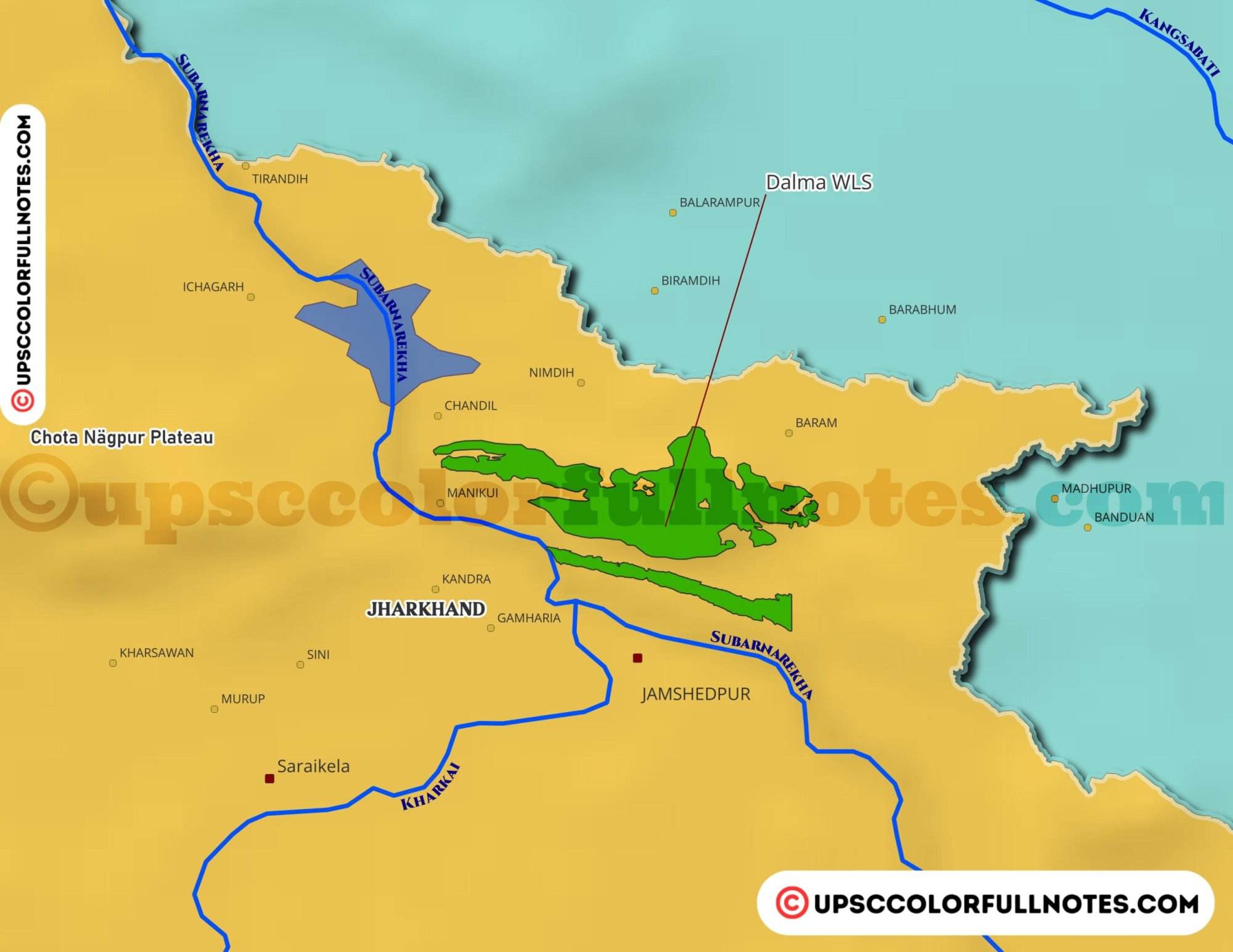
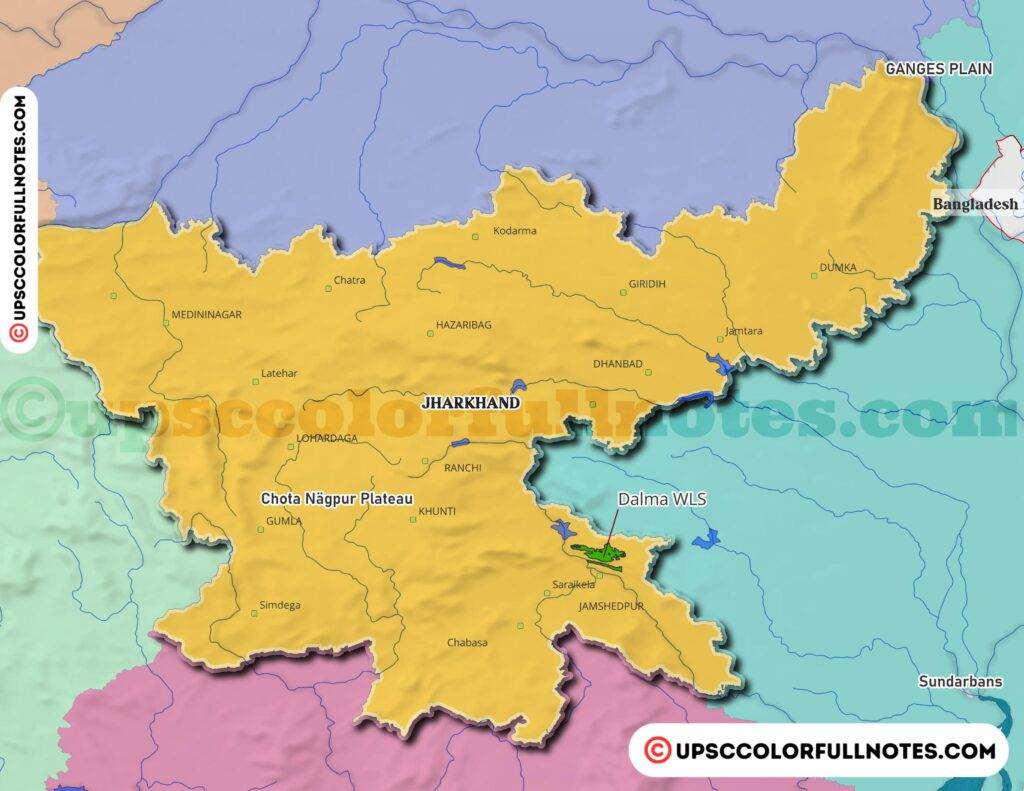
The Dalma Wildlife Sanctuary is located in the state of Jharkhand, India. It was notified as a wildlife sanctuary on 17 July 1976 in order to provide protection to wildlife as well as make it an attraction for nature lovers and wildlife enthusiasts. The sanctuary covers an area of 193.22 sq km across the districts of East Singhbhum and Saraikella–Kharsawan.
The sanctuary encompasses a wonderworld of forest and has nearly unmatched natural beauty. It provides habitat to a wide variety of flora and fauna. The forest cover is quite diverse with a number of native tree species. The sanctuary is especially noted for its significant population of Indian Elephants – around 95 as per the last census conducted in 2017. Other animals found here include the sloth bear, barking deer, leopard, mouse deer and wild boar among others.
Geography
The Dalma Wildlife Sanctuary is located in a hilly terrain as it is an extended part of the Chota Nagpur Plateau. The area is characterized by undulating terrain with high hillocks – the highest point in the sanctuary reaches an altitude of 984 meters above mean sea level. There are also plateaus, deep valleys and open fields between hillocks which provide diverse habitats for wildlife.
The sanctuary is situated in an area with several perennial and seasonal streams originating from these hills, which serve as lifelines for both wildlife and people. It is an important watershed of the Subarnarekha River. The major part of the area is covered by Archaean group of rocks bearing minerals like iron ore, mica schist, and phyllites among others. The sanctuary has reserves of minerals like coal, iron ore, limestone and copper.
Flora
The Dalma Wildlife Sanctuary is covered primarily by tropical moist deciduous forest. The forest cover is dominated by sal (Shorea robusta) trees. The sanctuary provides a natural abode for elephants as it offers favorable resources like water, fodder and shelter, which is why it is called the heaven of elephants.
Some other commonly found tree species in the sanctuary are shimul (Bombax ceiba), jamun (Eugenia jambolana), kendu (Diospyros melanoxylon), gamhar (Gmelina arborea), karam (Adina cordifolia), mahua (Madhuca latifolia) and dhautha (Anogeissus latifolia). Most of these species are deciduous in nature.
Fauna
The Dalma Wildlife Sanctuary is home to a significant population of elephants, around 95 as per recent census in 2017. Other animals found here include sloth bear, striped hyena, Indian porcupine, barking deer, mouse deer, macaque, langur monkey, wild boar, civet, mongoose and wolf.
Some rarely spotted animals are the leopard and mouse deer. The sanctuary also houses the Indian giant squirrel as well as a variety of bird species.

Conservation Status
The Dalma Wildlife Sanctuary is declared as part of an eco-sensitive zone in Jharkhand state covering an area of 522.98 sq km across the sanctuary and buffer region. This includes 85 villages covering 398.58 sq km of area – 200.28 sq km non-forest and 198.30 sq km forest land.
Threats
There are several threats to the habitat and wildlife of Dalma sanctuary such as:
- Habitat loss due to mining activities: The region has huge reserves of minerals like coal, iron ore, and limestone. Mining activities lead to loss and degradation of forest land.
- Fragmentation due to transport routes: The construction of roads and railways through the forested tracts and elephant corridors is hampering the natural movement of elephants and exposing wild animals to risks.
- Encroachment for agriculture: There has been massive encroachment of forest land over the years for expansion of agriculture and settlements. About 708 hectares of forest land was encroached in the year 2012 alone.
Tourism Potential
The Dalma Wildlife Sanctuary offers good scope for wildlife tourism and nature lovers. Activities tourists can undertake include:
- Safari and wildlife viewing: Tourists can explore the sanctuary through jeep or elephant safaris for sightings of elephants as well as other animals in their natural habitat.
- Stay options: Accommodation is available at the forest rest houses inside the sanctuary premises. There are also some resorts in the buffer region offering a comfortable stay.
The best time to visit the sanctuary is during the winter months between October to March.
Final Thoughts
The Dalma Wildlife Sanctuary is a paradise for nature and wildlife enthusiasts. Its most distinctive feature is that it serves as a natural habitat for a large number of Indian elephants. The area also supports rich biodiversity of flora, diverse wildlife, and some rare species.
However, habitat loss due to human activities poses some threats. Care needs to be taken to limit mining, transport routes and encroachments in the protected zone through sustainable measures to conserve this ecological hotspot. With some prudent eco-tourism initiatives, the sanctuary can continue to survive while also promoting the region’s economic growth.
FAQ
Where is Dalma Wildlife Sanctuary located?
The Dalma Wildlife Sanctuary is located in the state of Jharkhand, India. It spans across the districts of East Singhbhum and Saraikella–Kharsawan. The sanctuary is situated 10 km away from the city of Jamshedpur. It lies between 22°46′30′′ N to 22°057′N latitude and 86°03′15′′ E to 86°26′30′′ E longitude.
What to do in Dalma Wildlife Sanctuary?
There are several activities tourists and wildlife enthusiasts can undertake in Dalma Wildlife Sanctuary:
Safari: Take a jeep or elephant safari to explore the sanctuary and spot elephants as well as other animals like barking deer, sloth bear, leopards, wild boar etc. in their natural habitat.
Wildlife viewing: Visit watch towers and designated viewing points to get a glimpse of animals in the wilderness. Good spots for wildlife viewing are near water bodies.
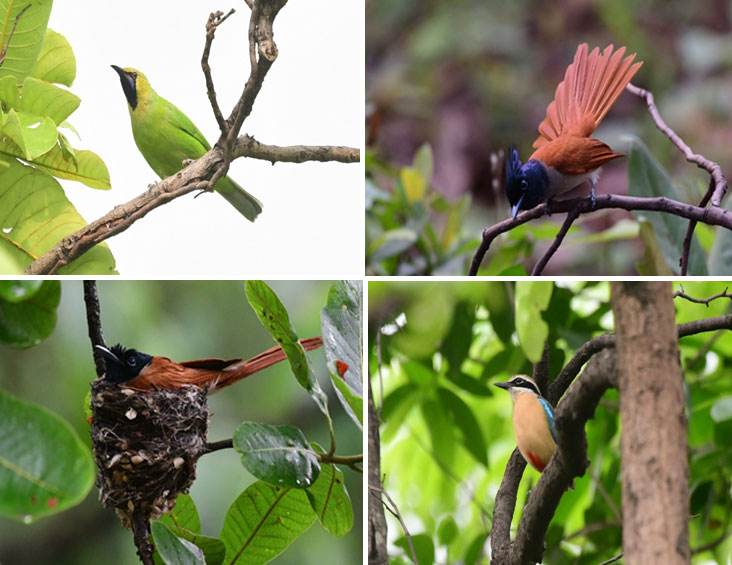
Birdwatching: Go birdwatching to catch sight of resident and migratory bird species like paradise flycatchers, golden oriole, Indian tree pie etc.
Photography: Capture the lush green foliage, unique rock formations, wildlife and landscapes through photography.
Stay at forest rest houses or nearby resorts for a complete wilderness experience.